
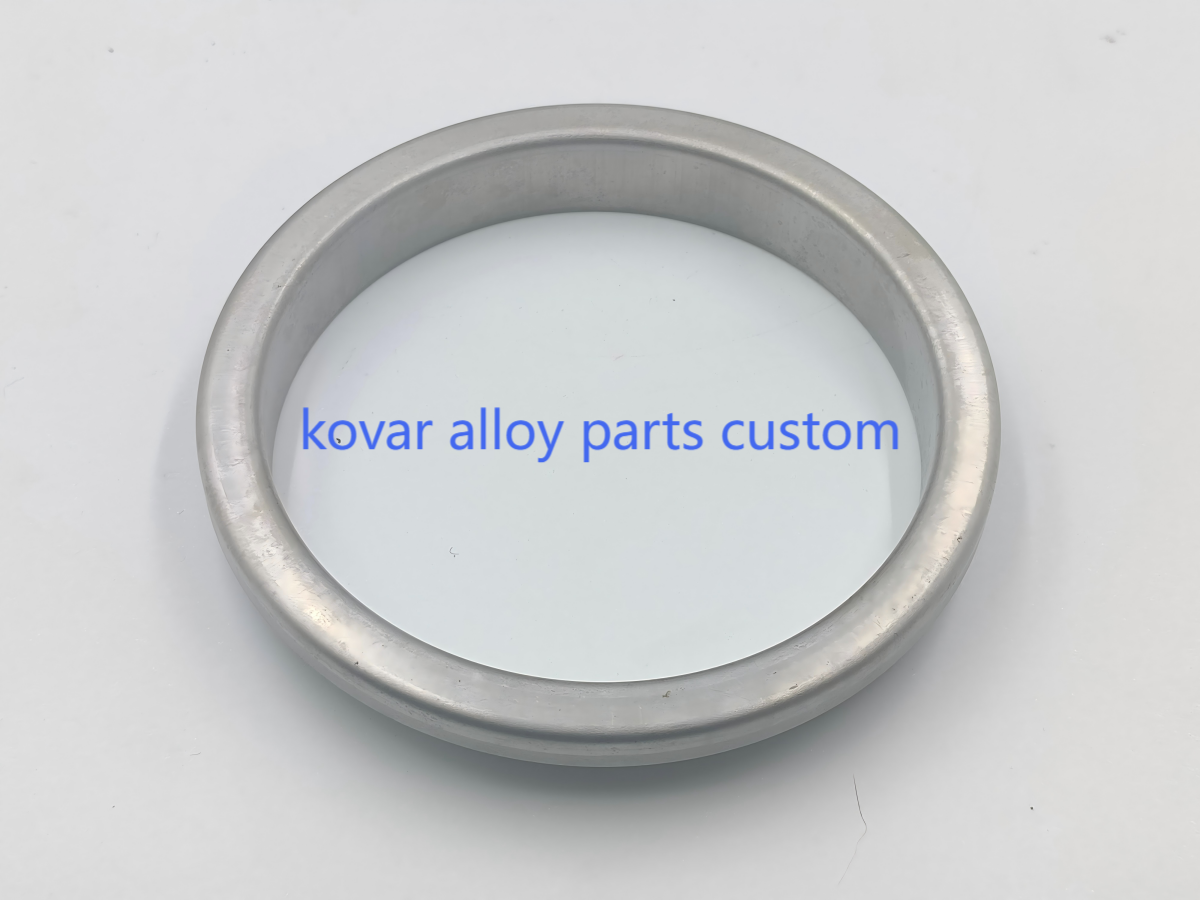
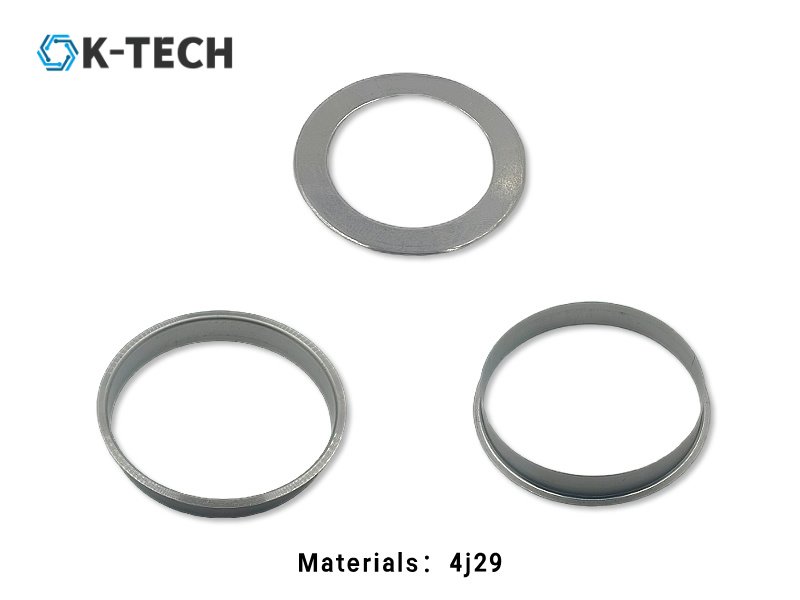
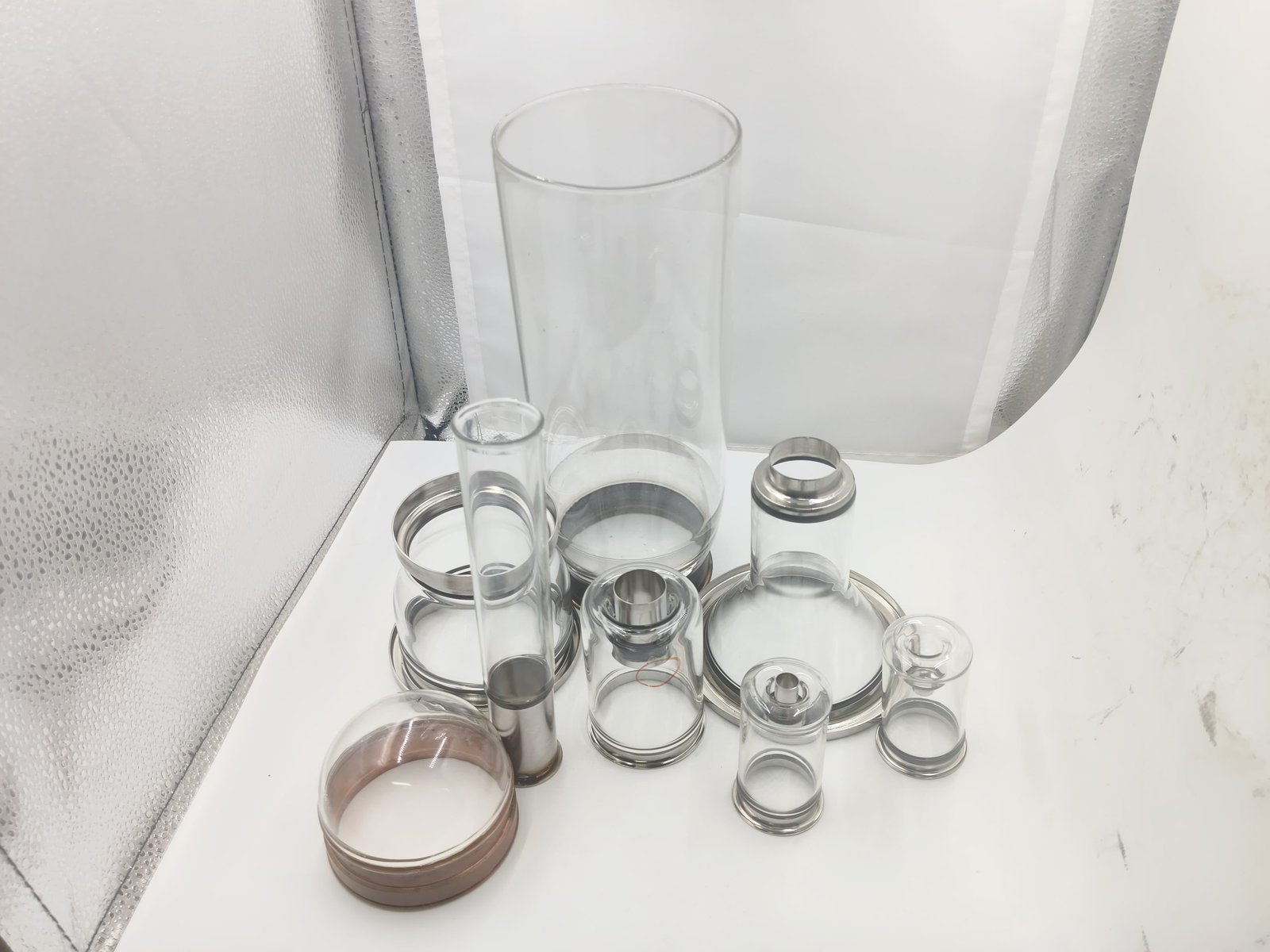
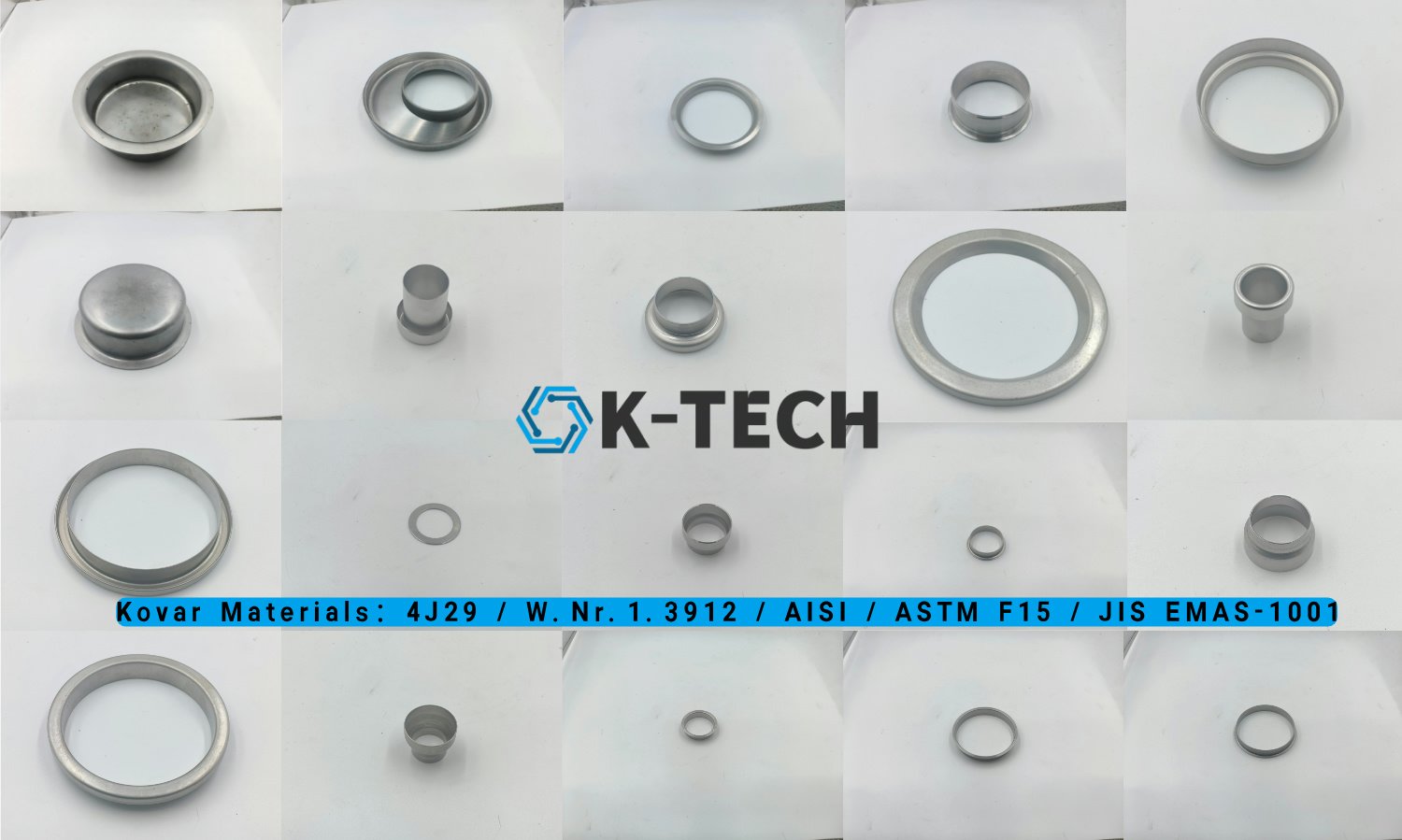
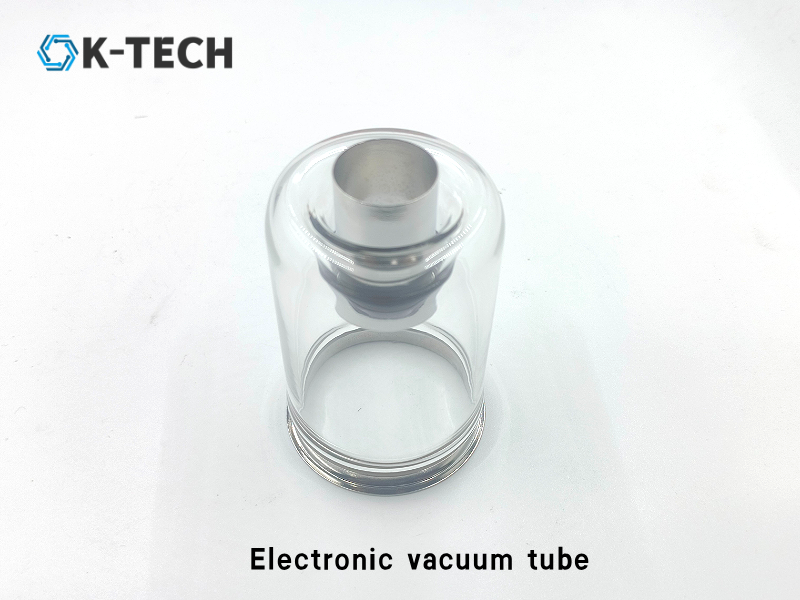
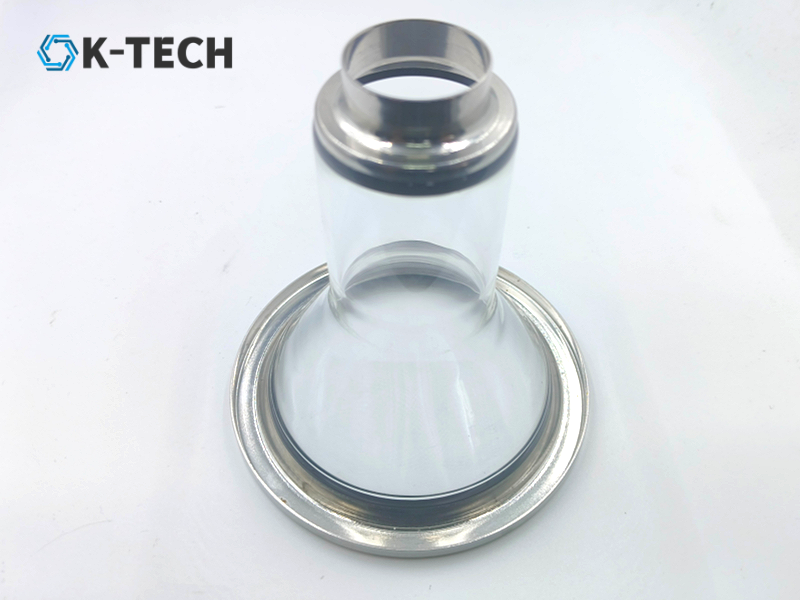
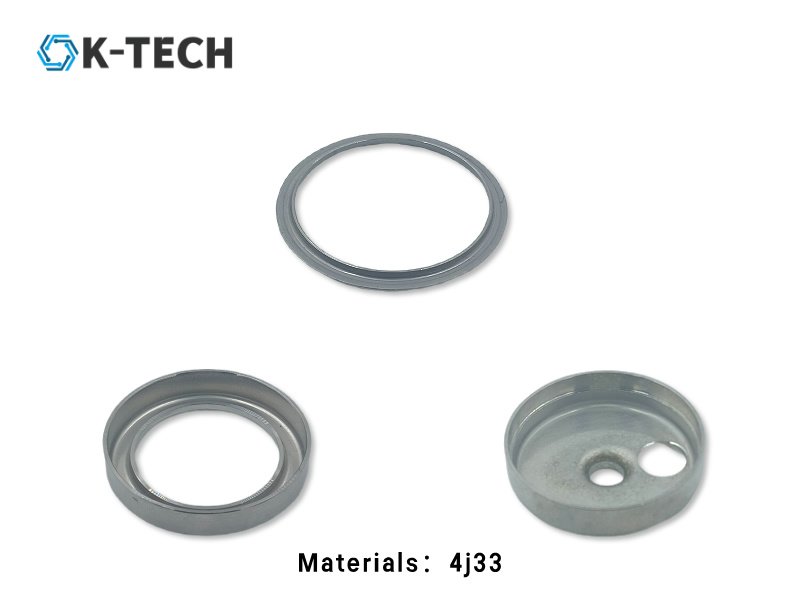
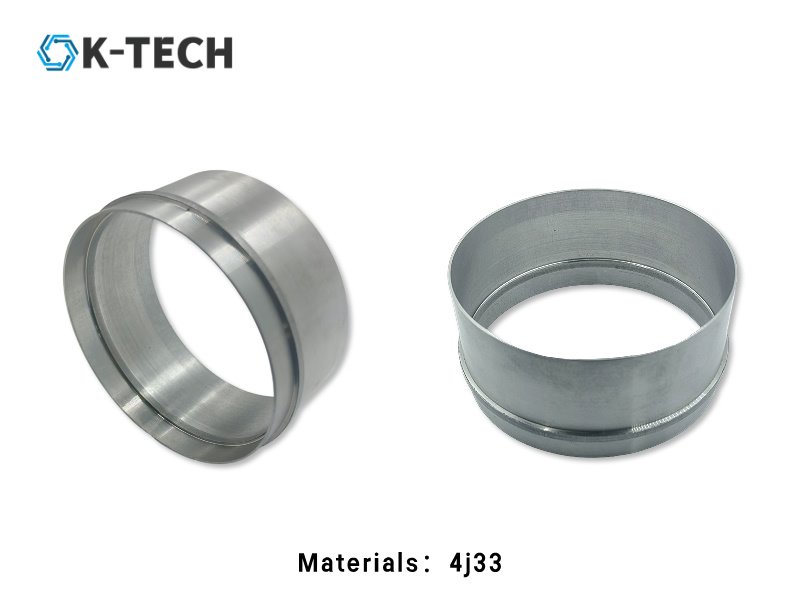
X-ray tubes Kovar alloy accessories customized
Kovar (Fe-Ni-Co alloy, typically composed of 54% Fe, 29% Ni, and 17% Co) plays an irreplaceable role in key links such as vacuum sealing and electrode lead-out of X-ray tubes due to its thermal expansion coefficient close to that of glass and ceramics (about 4.5×10⁻⁶/℃ at 20-400℃), excellent airtightness, and welding performance.
Get a quote
X-ray tubes Kovar alloy accessories customized
I. Core Application Scenarios: Vacuum Sealing and Electrode Lead-out
1. Lead Sealing of Cathode Components
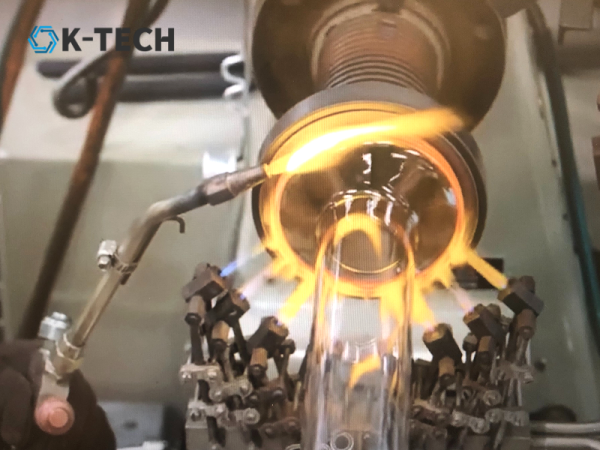
- Filament power supply leads: The cathode filament (tungsten wire) needs to be connected to the heating current from outside the tube through leads, and the sealing between the leads and the glass/ceramic shell of the X-ray tube is crucial. Lead posts (diameter: 0.5-2mm) made of Kovar can achieve “matched sealing” with borosilicate glass (expansion coefficient: 3.3×10⁻⁶/℃) or alumina ceramics (expansion coefficient: 6.5×10⁻⁶/℃). After high-temperature (800-1000℃) fusion sealing, a leak-free vacuum interface is formed.
- Structural design: Lead posts usually adopt a “Kovar-glass-Kovar” composite structure (such as dual-lead packaging). The outer Kovar ring is welded to the tube shell, and the inner Kovar lead is crimped with the filament, ensuring both current conduction and vacuum isolation.
2. Sealing of Anode High-Voltage Introduction End
- Power/signal transmission of rotating anodes: Rotating anodes need to introduce drive signals (such as variable frequency motor power) through high-voltage cables. The sealing between their metal shafts and the tube shell must withstand 300kV high voltage and mechanical stress from high-speed rotation (50,000 rpm). Sealing rings (thickness: 0.3-1mm) made of Kovar form a rigid seal through brazing with ceramic tube shells (using silver-copper solder with a melting point of 780℃), and at the same time, their low elastic modulus (130GPa) buffers the vibration stress generated by rotation.
- Target base connection of fixed anodes: In the transition connection between a fixed anode target (e.g., tungsten target) and a metal target base, Kovar sheets (thickness: 0.1-0.5mm) act as an intermediate layer, ensuring thermal stress matching between the target material (tungsten, expansion coefficient: 4.5×10⁻⁶/℃) and the target base (oxygen-free copper, expansion coefficient: 17×10⁻⁶/℃), while maintaining vacuum through sealing with the tube shell.
3. Transition Connection Between Tube Shell and Window
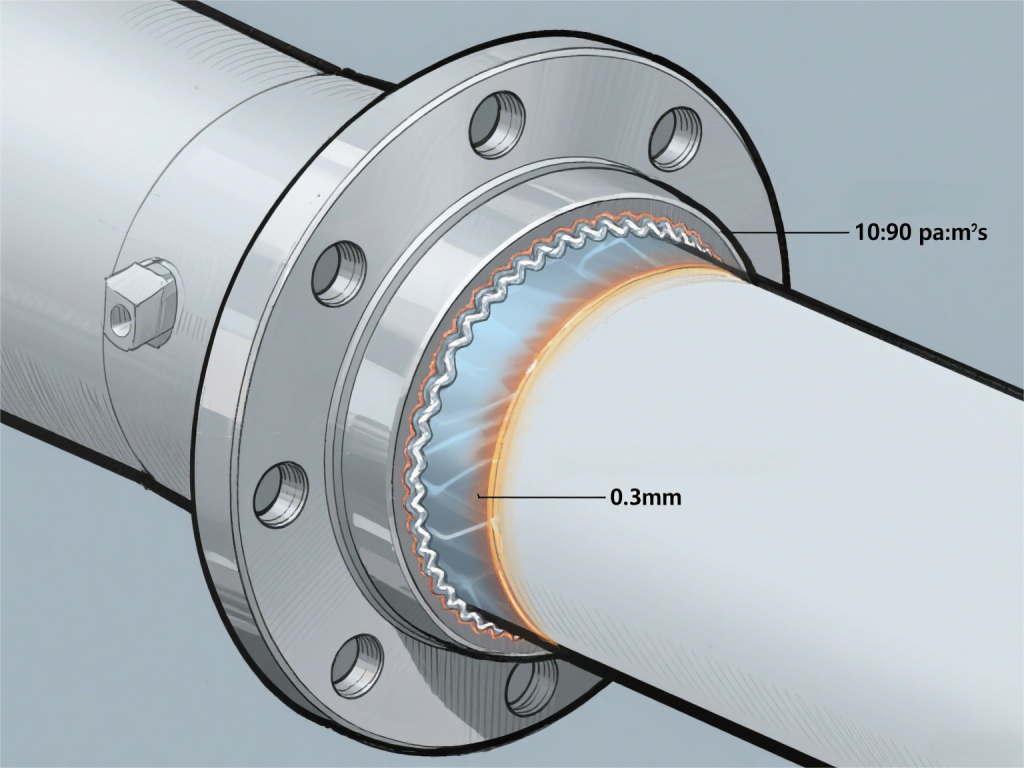
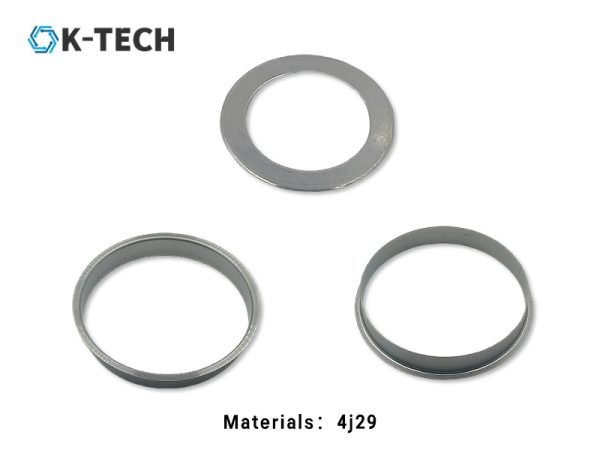
- Metallized sealing of glass/ceramic tube shells: X-ray tube shells are mostly borosilicate glass or alumina ceramics (insulating and high-temperature resistant). Their connection with metal flanges (for equipment installation) needs to be realized through Kovar transition rings. The Kovar ring is fusion-sealed with glass/ceramics and laser-welded with the metal flange (weld width: 0.2-0.5mm), and the overall leak rate can be controlled below 10⁻¹⁰ Pa·m³/s, meeting long-term vacuum requirements.
- Edge sealing of X-ray windows: The X-ray output window (e.g., beryllium window, thickness: 0.2-0.5mm) needs to be sealed with the edge of the tube shell. Window pressure rings made of Kovar are connected to the beryllium window through low-temperature brazing (200-300℃), avoiding embrittlement of the beryllium window caused by high temperatures, while ensuring airtightness at the window edge.
II. Technical Advantages: Adapting to Extreme Working Conditions of X-ray Tubes
- Thermal expansion matching: During the operation of the X-ray tube (the instantaneous temperature of the anode can reach above 2000℃, and the tube shell temperature is 50-150℃), the difference in expansion coefficient between Kovar and glass/ceramics is <1×10⁻⁶/℃, which can avoid sealing cracks caused by temperature cycles (the expansion difference between traditional stainless steel and glass is up to 15×10⁻⁶/℃, which is prone to cracks).
- High-voltage insulation compatibility: After nickel plating (thickness: 5-10μm) or gold plating on the Kovar surface, the surface leakage current can be reduced (<1μA@300kV). Combined with the high insulation resistance of the ceramic tube shell (>10¹⁴Ω), it can withstand working voltages above 300kV, avoiding high-voltage breakdown.
- Machining and welding performance: Kovar can be made into complex shapes (such as the stepped structure of lead posts) through cold heading and etching, and its welding strength with metals such as oxygen-free copper and tungsten is >150MPa, meeting the heat conduction requirements of the anode target (heat from the tungsten target is conducted to the cooling system through Kovar-copper target base).
III. Application Examples and Technical Standards
- Medical CT tubes: In the 16-slice CT tube of United Imaging Healthcare, the cathode leads use Φ1.2mm Kovar posts sealed with borosilicate glass, and the sealed part can withstand 500 temperature cycles (-40℃ to 120℃) without leakage;
- Industrial microfocus X-ray tubes: In the MXR-160 microfocus tube (focal spot: 0.5μm) of COMET, the window edge uses a 0.3mm thick Kovar ring brazed with a beryllium window to ensure the vacuum degree remains stable at 5×10⁻⁷ Pa for a long time;
- Industry standards: Kovar alloy conforming to ASTM F15 (Fe: 53.5-56.5%, Ni: 28-30%, Co: 16-18%) is the mainstream choice for X-ray tube accessories. Its sealing performance must be verified through GB/T 12604.4 (vacuum device sealing performance test), and the leak rate must be ≤1×10⁻⁹ Pa·m³/s.
IV. Development Trends: High-Performance Modification and Integrated Design
- Low-cobalt alternative materials: To reduce costs, new Fe-Ni-Mn alloys (expansion coefficient: 4.2×10⁻⁶/℃) have begun to replace traditional Kovar, being applied in domestic mid-to-low-end X-ray tubes with equivalent sealing performance but 30% lower cost;
- Integrated sealing structure: Kovar-ceramic composites made by powder metallurgy technology reduce assembly steps, with sealing strength increased to over 200MPa, suitable for high-frequency industrial testing equipment (such as X-ray tubes for battery pole piece inspection).
Related products
-
Glass Vacuum Tube Components
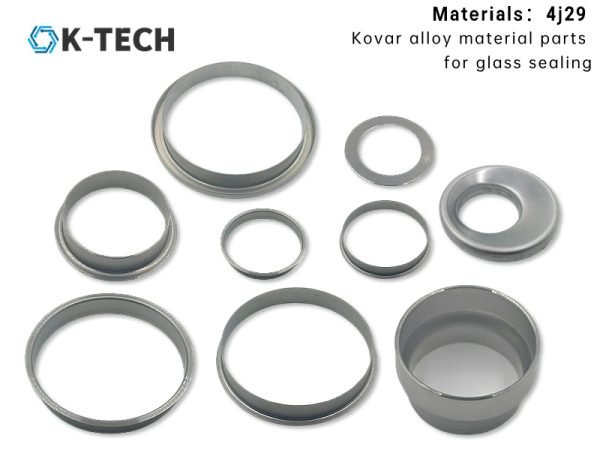
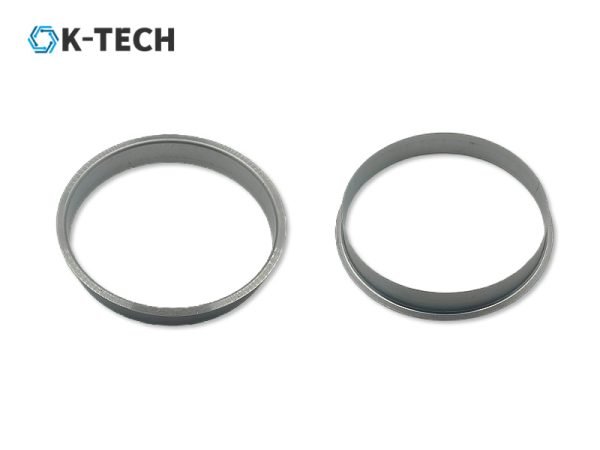
4j29 Kovar Alloy Glass Vacuum Melt Sealing Welding Processing
Read more
FAQ
You can tell us your needs (such as specifications, quantities, materials, drawings, etc.) by email(info@prekovar.com), phone or by submitting the form on our website.
With over 10 years of specialized focus on Kovar/alloy processing, we master the unique challenges of this low-expansion material. Our advanced stamping techniques ensure micron-level accuracy, ideal for critical applications in electronics, aerospace, and hermetic sealing components.