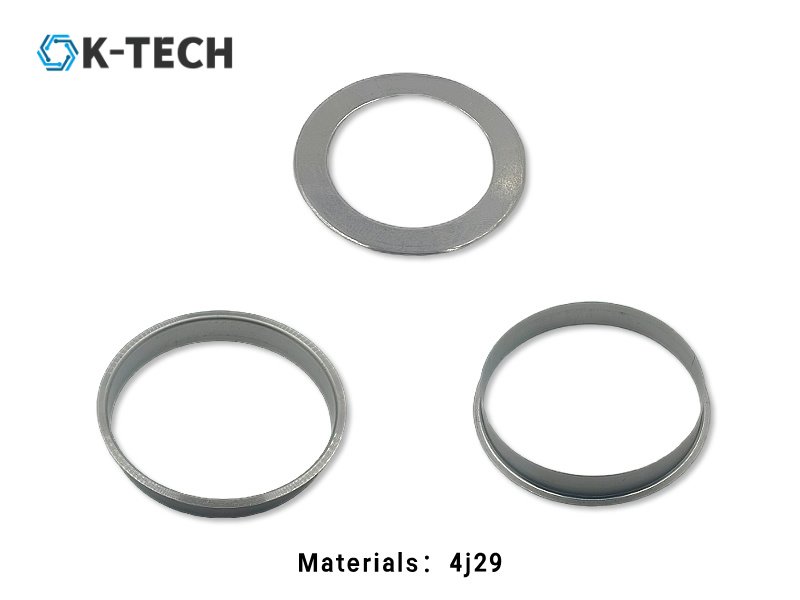
Glass-to-Metal Seals (GTMS) represent a critical and mature joining technology, forming robust, hermetic, and electrically insulating bonds between disparate materials – primarily various glasses and metals/alloys. Their unique ability to create permanent, vacuum-tight interfaces capable of withstanding extreme thermal, mechanical, and chemical stresses makes them indispensable across a wide spectrum of high-reliability industries.
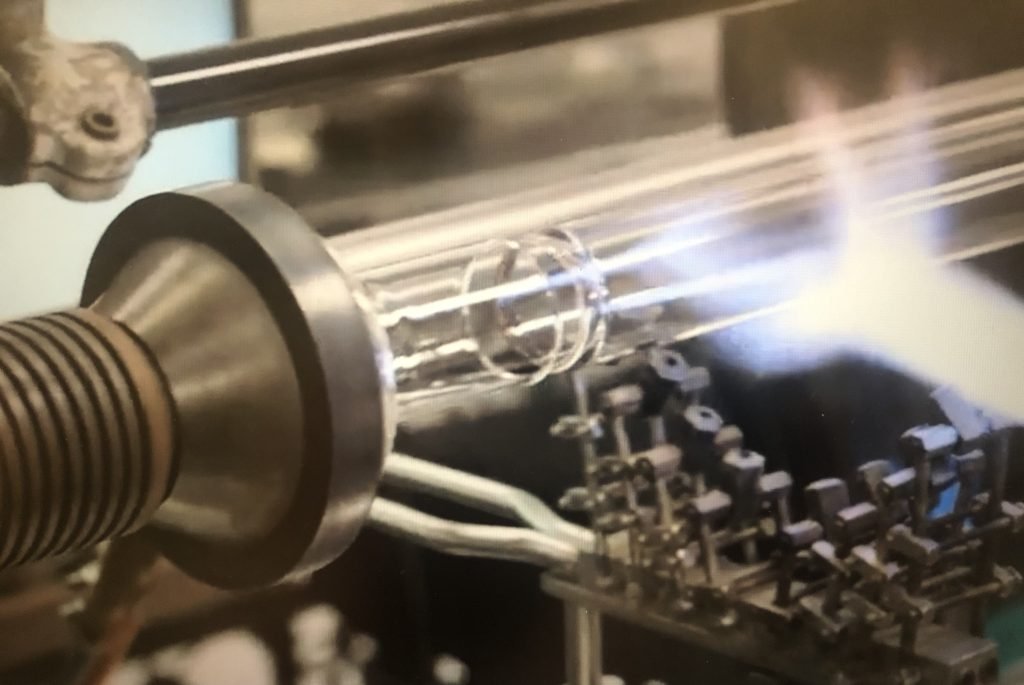
Core Principles
The success of a GTMS hinges on several fundamental material science and engineering principles:
- Coefficient of Thermal Expansion (CTE) Matching/Engineering: The primary challenge is overcoming the inherent difference in how glass and metal expand and contract with temperature changes. Successful seals rely on either:
- Matched Seals: Selecting a glass and metal/alloy pair with nearly identical CTEs over the operational temperature range (e.g., borosilicate glass to Kovar alloy).
- Compression Seals: Using a metal with a higher CTE than the glass. Upon cooling from the sealing temperature, the metal contracts more, placing the lower-expansion glass under beneficial compressive stress, enhancing strength and hermeticity.
- Housekeeper Seals: Utilizing a thin, ductile metal (like copper) whose ability to deform plastically accommodates the CTE mismatch, often used with hard glasses.
- Chemical Bonding: At the high temperatures required for sealing (typically above the glass softening point), chemical reactions occur at the interface. Metal oxides dissolve into the molten glass, forming strong chemical bonds (often ionic/covalent) crucial for adhesion and hermeticity.
- Wetting: The molten glass must adequately wet the metal surface, spreading evenly to form intimate contact, a prerequisite for strong chemical bonding. Proper surface preparation (cleaning, oxidation) is vital.
- Stress Management: The design must account for residual stresses arising from the CTE mismatch and cooling process. Careful material selection, controlled cooling rates, and geometric design (e.g., minimizing sharp corners, symmetrical configurations) are essential to prevent cracking or seal failure.
Key Technical Applications
GTMS find application wherever a permanent, hermetic barrier is required between an internal environment (vacuum, specific gas, pressurized fluid) and an external environment, often while enabling electrical feedthroughs or optical paths. Major application areas include:
- Electronics & Electrical Engineering:
- Hermetic Packages: Sealing sensitive electronic components like hybrid circuits, MEMS sensors, crystal oscillators, and high-power semiconductors (thyristors, IGBTs) inside metal housings (e.g., TO cans). This protects against moisture, oxygen, and contaminants, ensuring long-term reliability.
- Feedthroughs: Providing electrical connections through the walls of sealed containers. This is ubiquitous in:
- Vacuum Systems: High-voltage feedthroughs for electron microscopes, particle accelerators, mass spectrometers, and plasma processing chambers.
- High-Pressure Systems: Penetrators for pressure vessels, deep-sea equipment, and oil/gas downhole tools.
- Batteries: Sealing terminals in specialized primary batteries and certain advanced secondary batteries (e.g., some Li-ion formats).
- Lighting: Sealing the base of halogen and HID lamps, and forming the stem press in incandescent and fluorescent lamps.
- Aerospace & Defense:
- Avionics & Sensors: Hermetically sealing critical sensors (pressure, temperature, inertial) and avionics packages exposed to wide temperature swings, vibration, shock, and pressure changes.
- Missile & Satellite Systems: Protecting electronics in guidance systems, telemetry units, and satellite payloads from the harsh space/vacuum environment and launch stresses.
- Radar & Communication Systems: High-frequency and high-power feedthroughs in radar transmitters and communication equipment enclosures.
- Medical Devices:
- Implantable Electronics: Creating the hermetic enclosure for critical devices like pacemakers, neurostimulators, and implantable drug pumps. GTMS provide feedthroughs for electrodes and sensors while protecting sensitive electronics from corrosive bodily fluids for decades.
- Diagnostic & Analytical Equipment: Sealing components within MRI machines, X-ray tubes, blood analyzers, and sensors requiring isolation or specific internal environments.
- Energy & Industrial:
- Nuclear Industry: Sealing instrumentation and control rod drive mechanisms in reactors, requiring extreme radiation resistance and long-term reliability.
- Oil & Gas: Downhole sensors and logging tools exposed to high temperatures, pressures, and corrosive fluids.
- Renewable Energy: Potential applications in concentrated solar power receivers and high-temperature fuel cells.
- Industrial Sensors: Hermetically packaging sensors for harsh process environments (chemical plants, refineries).
- Research & Scientific Instruments:
- Vacuum Chambers: Viewports, feedthroughs (electrical, fluid, motion), and sensor ports requiring optical clarity or electrical isolation while maintaining ultra-high vacuum.
- Lasers: Sealing components within gas lasers and diode laser packages.
- Analytical Instruments: Components in mass spectrometers, chromatography equipment, and specialized detectors.
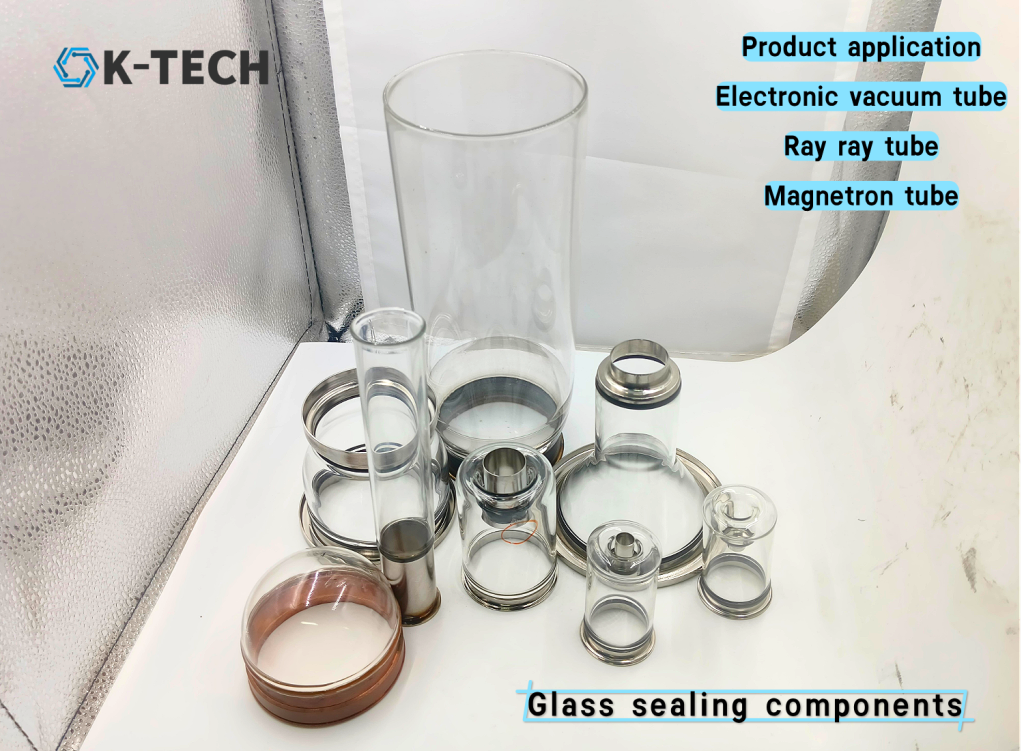
Advantages Driving Adoption
- Hermeticity: Provides a gas-tight and moisture-proof seal, critical for protecting sensitive components.
- High Reliability & Longevity: Proven performance over decades in demanding applications.
- Excellent Electrical Insulation: High dielectric strength and insulation resistance.
- Thermal Stability: Withstands wide temperature ranges and thermal cycling.
- Mechanical Strength & Robustness: Resists vibration, shock, and pressure differentials.
- Chemical Resistance: Many glass-metal combinations offer good resistance to corrosion and chemical attack.
- Vacuum Compatibility: Outgassing rates are typically very low after proper processing.
- Design Flexibility: Can be adapted to various sizes, shapes, and complex configurations.
Challenges and Considerations
- Material Selection Complexity: Requires careful matching of CTE, chemical compatibility, and processing temperatures.
- High Processing Temperatures: Sealing often requires temperatures >800°C, limiting base material choices and potentially affecting pre-assembled components.
- Residual Stress: Requires careful design and process control to manage.
- Cost: Raw materials (specialty alloys/glasses) and processing can be expensive compared to polymeric seals or solder joints, though justified for high-reliability needs.
- Brittleness: The glass component is inherently brittle and susceptible to impact damage if not properly protected.
Future Trends
Research continues to enhance GTMS technology, focusing on:
- Lower Temperature Sealing: Developing glasses and processes that seal effectively at lower temperatures.
- New Material Combinations: Exploring seals with advanced ceramics, novel alloys, and specialized glasses for extreme environments.
- Miniaturization: Enabling reliable seals for increasingly smaller devices (e.g., micro-medical implants).
- Improved Modeling: Advanced finite element analysis (FEA) for better prediction and management of thermal stresses.
- Alternative Processes: Investigating techniques like laser sealing or vapor-deposited seals for specific applications.
Glass-to-Metal Seals remain a cornerstone technology for achieving robust, hermetic, and electrically isolated interfaces in the most demanding technical applications. From the depths of the ocean to the vacuum of space, and within the human body, GTMS enable the reliable operation of critical systems by solving the fundamental challenge of joining brittle glass to ductile metal. Continued innovation in materials and processes ensures that this mature technology will continue to play a vital role in advancing electronics, energy, transportation, healthcare, and scientific discovery well into the future. Their unique combination of properties makes them irreplaceable where ultimate reliability under extreme conditions is non-negotiable.