Kovar: The Ideal Material for Glass-to-Metal Sealing
In the demanding world of hermetic packaging for electronics, optics, and vacuum systems, creating a reliable, leak-tight seal between dissimilar materials like metal and glass presents a significant challenge. Among the specialized alloys developed for this purpose, Kovar stands out as the quintessential and most widely trusted material for glass sealing applications. Its unique combination of properties makes it exceptionally well-suited for this critical task.
What is Kovar?
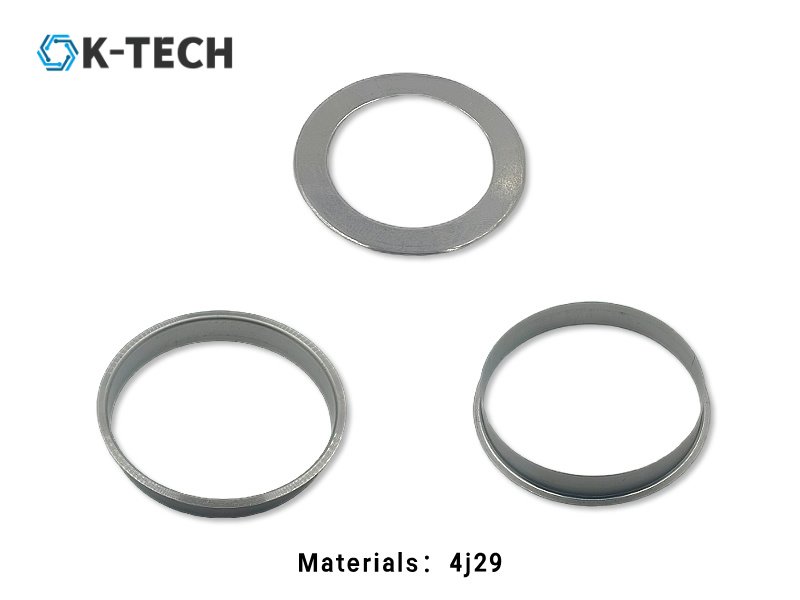
Kovar is a nickel-cobalt-ferrous alloy, precisely controlled to meet specific composition requirements (typically around 29% Nickel, 17% Cobalt, 53% Iron, plus trace elements). It was developed in the early 20th century specifically to solve the problem of thermal expansion mismatch in glass-to-metal seals. It’s classified under ASTM F15.
Why Kovar Reigns Supreme for Glass Sealing:
- Perfect Thermal Expansion Match (The Core Advantage):
- The Problem: When a metal and glass seal cools from the high sealing temperature (often > 800°C), their differing rates of thermal contraction (Coefficient of Thermal Expansion – CTE) create immense stress. If the CTE mismatch is too large, the glass will crack or the seal will fail catastrophically upon cooling.
- Kovar’s Solution: Kovar’s defining characteristic is its CTE, meticulously engineered to be almost identical to that of common sealing glasses, particularly borosilicate glasses (like Corning 7052, 7056, Schott 8250) and some soda-lime glasses. Kovar’s average CTE (from ~30°C to 500°C) is approximately 5.3 x 10⁻⁶ /°C, which aligns remarkably well with these glasses (~5.0 – 5.6 x 10⁻⁶ /°C).
- Result: During the cooldown phase after sealing, Kovar and the glass contract at nearly the same rate. This minimizes residual thermal stress within the glass and at the critical metal-glass interface, ensuring a strong, durable, and hermetic seal that can withstand thermal cycling during device operation.
- Formation of a Strong Adherent Oxide Layer:
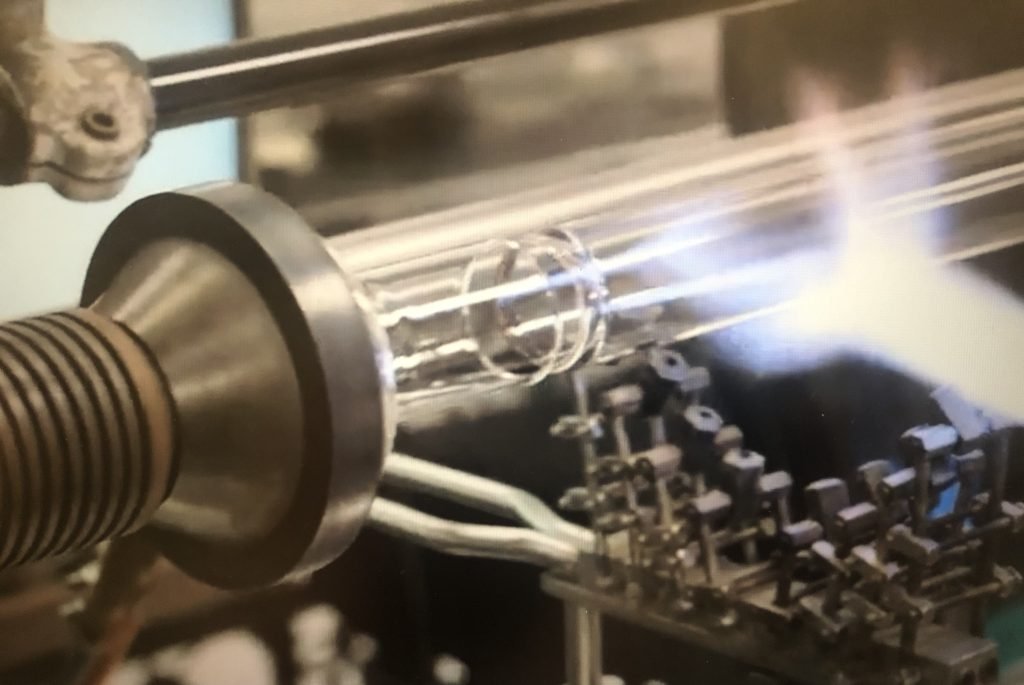
- The Process: Prior to sealing, Kovar components are carefully oxidized in a controlled atmosphere (often moist hydrogen-nitrogen mixtures). This process forms a thin, tenacious, and microscopically rough oxide layer primarily composed of iron oxide (Fe₂O₃) and cobalt oxide (CoO) on the Kovar surface.
- The Bond: During the high-temperature sealing process, this stable oxide layer dissolves into the molten glass. As the glass solidifies, it mechanically interlocks with the microscopically roughened surface and forms a true chemical bond with the oxide layer that has become integrated into the glass matrix. This creates an exceptionally strong and hermetic interface.
- Chemical Compatibility:
- Kovar exhibits excellent chemical compatibility with the fluxes and constituents used in sealing glasses at high temperatures. It doesn’t react detrimentally with the molten glass, preventing contamination of the glass or weakening of the seal.
- Good Mechanical Properties & Machinability:
- Kovar possesses sufficient strength and rigidity to provide structural support in electronic packages, feedthroughs, and headers. It’s also readily machinable (via turning, milling, grinding) and formable (drawing, stamping) in its annealed state, allowing for the production of complex pin configurations, housings, and rings needed for seals before the final heat treatment and oxidation steps.
- Controlled Thermal Conductivity:
- While not as high as copper, Kovar’s thermal conductivity is sufficient for managing heat dissipation in many sealed electronic packages without creating problematic thermal gradients during sealing or operation.
Common Applications:
Kovar’s unique properties make it the go-to material for:
- Electronic & Optoelectronic Packages: TO headers/cans (e.g., for lasers, LEDs, transistors, ICs), microwave tubes, sensor housings.
- Vacuum Feedthroughs: Hermetic electrical connections into vacuum chambers (SEMs, analytical instruments, particle accelerators, lighting).
- Hermetic Connectors & Sockets: Critical in aerospace, defense, and medical electronics.
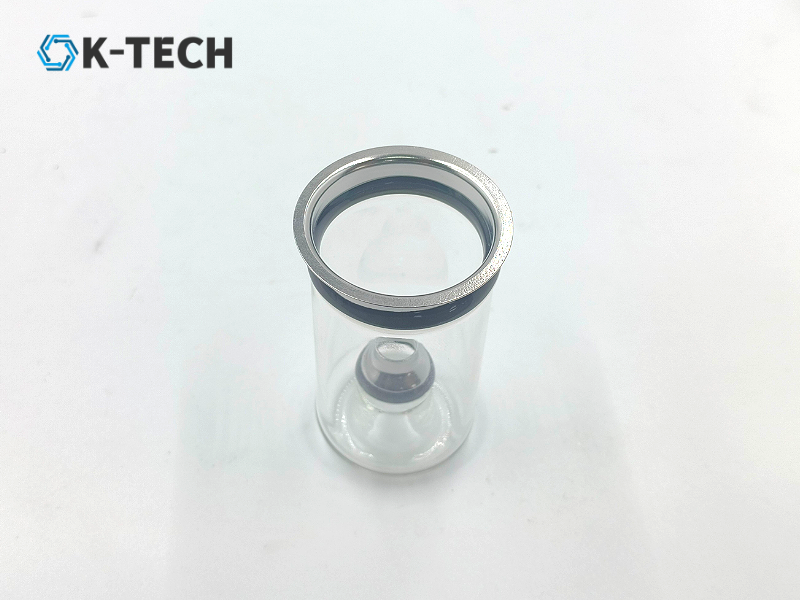
- Borosilicate Glass Viewports: Metal frames for viewing windows in vacuum or pressure systems.
- X-ray Tube Components.
Kovar’s enduring status as the ideal material for glass-to-metal sealing is no accident. Its meticulously engineered Coefficient of Thermal Expansion, perfectly matched to critical sealing glasses, is the fundamental pillar of its success. This, combined with its ability to form a strong, adherent oxide layer that chemically bonds with glass, its chemical compatibility, good machinability, and adequate mechanical properties, creates an unmatched synergy. While other alloys exist for specific niche applications, Kovar remains the benchmark material, providing the reliability, hermeticity, and long-term stability essential for demanding environments in electronics, vacuum technology, and beyond. Its development solved a critical engineering challenge and continues to enable advanced technologies today.