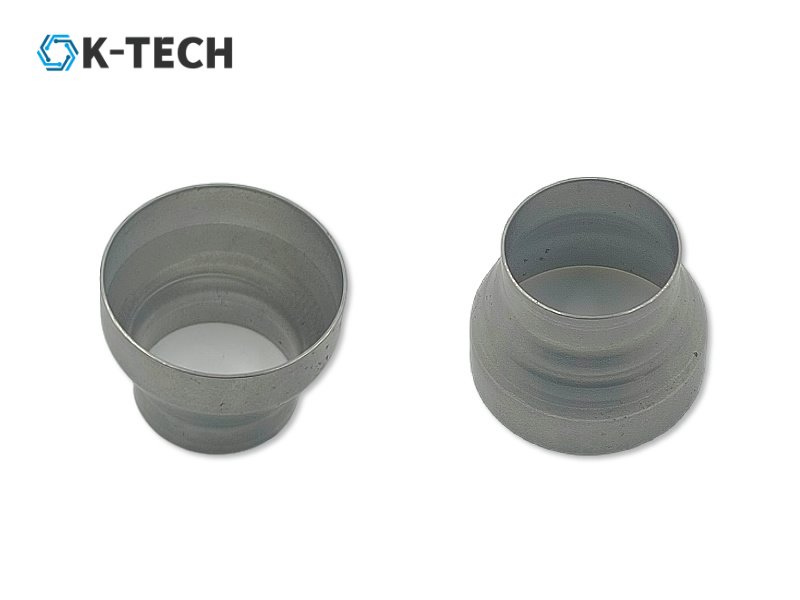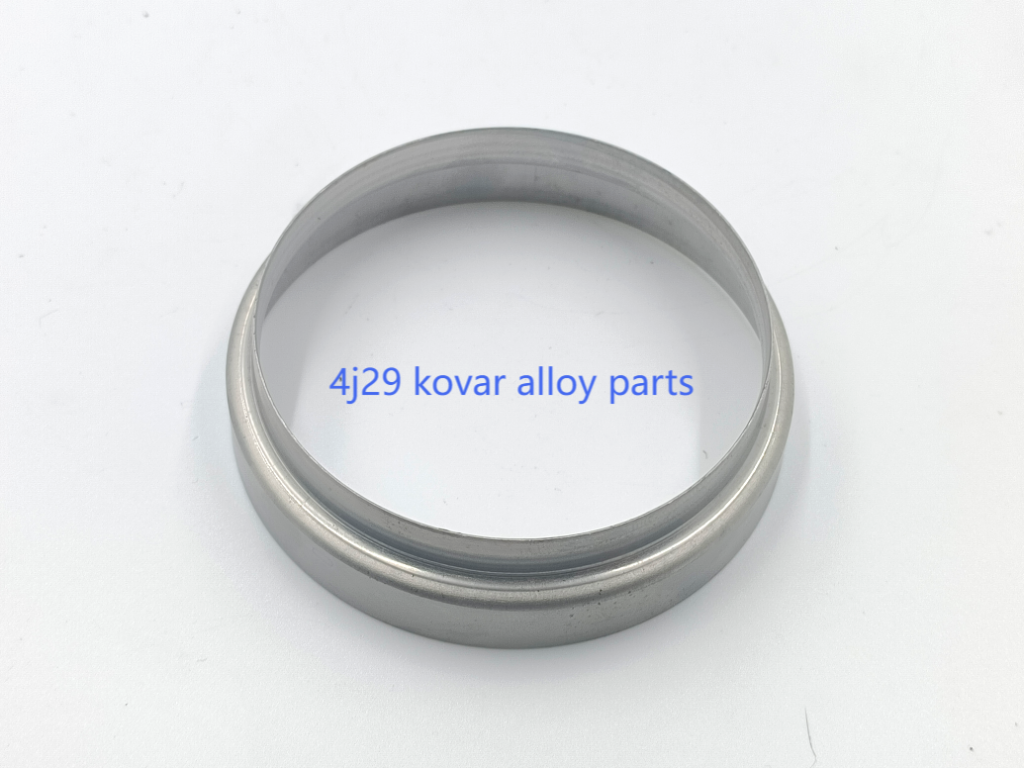
In the rapidly evolving landscape of medical technology, the demand for high-performance materials that can meet stringent safety, precision, and biocompatibility standards has never been greater. Kovar alloy, a nickel-iron-cobalt alloy renowned for its exceptional thermal expansion properties and mechanical stability, has emerged as a key material in the manufacturing of critical medical equipment components. This article explores the unique characteristics of Kovar alloy and its diverse applications in modern medical devices, highlighting why it has become an indispensable material in the healthcare industry.
Understanding Kovar Alloy: Key Properties and Composition
Kovar alloy, typically composed of approximately 29% nickel, 17% cobalt, and 54% iron (by weight), is specifically engineered to have a low and controlled coefficient of thermal expansion (CTE) that closely matches that of borosilicate glass and certain ceramics. This thermal expansion compatibility is crucial for creating hermetic seals in applications where temperature fluctuations are common. The alloy also boasts excellent mechanical properties, including high tensile strength, good ductility, and resistance to corrosion in moderate environments. Additionally, Kovar alloy can be easily brazed, welded, and machined, making it highly versatile for complex component manufacturing.
One of the most significant advantages of Kovar alloy is its ability to maintain dimensional stability across a wide temperature range, from cryogenic conditions to elevated temperatures up to 500°C. This feature is particularly important in medical applications where equipment reliability is non-negotiable, as even minor dimensional changes could compromise functionality or patient safety.
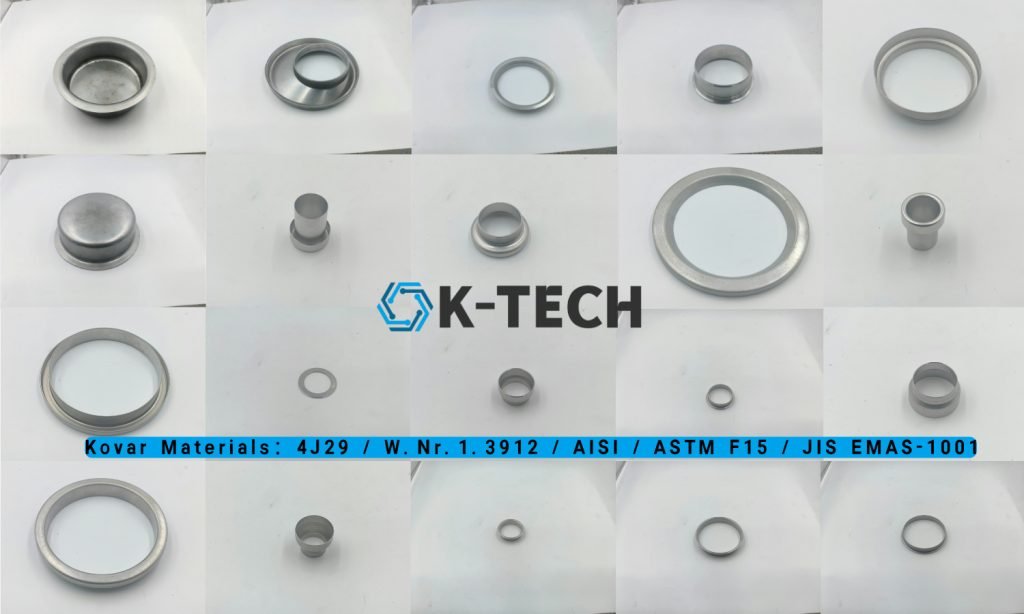
Critical Applications of Kovar Alloy Parts in Medical Equipment
1. Hermetic Seals for Implantable Devices
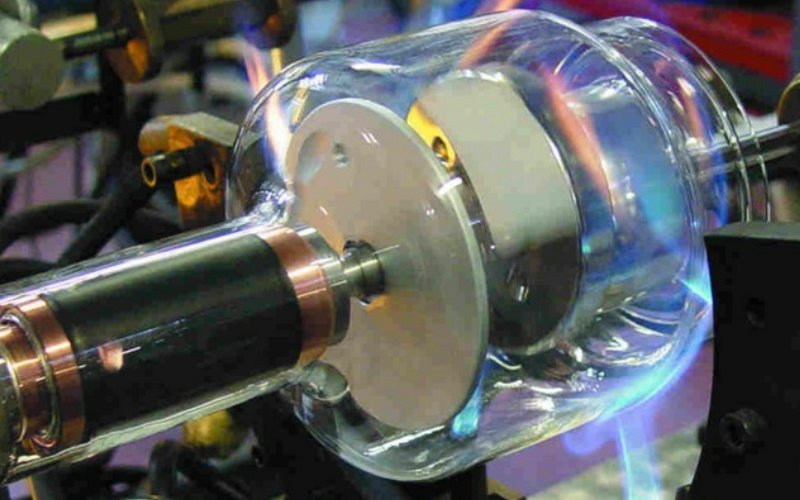
Implantable medical devices such as pacemakers, defibrillators, and neurostimulators require hermetic enclosures to protect their electronic components from the body’s hostile environment, including bodily fluids and mechanical stress. Kovar alloy is widely used to create feedthroughs, connectors, and encapsulation parts that form hermetic seals with glass or ceramic insulators. The matching CTE between Kovar and these insulating materials ensures that thermal cycling during the device’s operational life does not cause cracks or leaks in the seal, which could lead to device failure or infection risk.
For example, in pacemakers, Kovar alloy pins are used to transmit electrical signals between the internal circuitry and external electrodes while maintaining a hermetically sealed barrier. The biocompatibility of Kovar alloy, when properly passivated, is another critical factor, as it minimizes the risk of adverse reactions with bodily tissues over the device’s long operational lifespan (often 10-15 years or more).
2. Precision Components in Surgical Instruments
Modern surgical instruments, especially those used in minimally invasive procedures or robotic surgery, demand components with exceptional dimensional precision and resistance to repeated sterilization cycles. Kovar alloy is ideal for manufacturing high-precision parts such as guide wires, endoscopic tips, and instrument hinges. Its resistance to corrosion from sterilization agents like ethylene oxide, hydrogen peroxide plasma, and autoclave steam ensures that components maintain their mechanical properties and surface integrity over multiple uses.
In robotic surgical systems, where millimeter-level precision is essential, Kovar alloy parts help maintain the accuracy of motion control mechanisms. The alloy’s low magnetic permeability is also advantageous in environments where magnetic fields from imaging devices (such as MRI machines) could interfere with instrument functionality.
3. Diagnostic and Imaging Equipment
In diagnostic devices like X-ray tubes, CT scanners, and MRI spectrometers, Kovar alloy plays a vital role in supporting high-voltage and high-vacuum components. X-ray tubes require cathode and anode assemblies that can withstand extreme temperatures and electrical stresses. Kovar alloy’s thermal stability and electrical conductivity make it suitable for constructing support structures and leads within these tubes, ensuring consistent electron beam emission and tube longevity.
In MRI systems, where components must be non-magnetic to avoid interfering with the strong magnetic fields, Kovar alloy’s low magnetic susceptibility (when properly processed) makes it a preferred material for sensor housings and connector components. This allows for reliable operation of gradient coils and radiofrequency probes without compromising image quality.
4. Medical Packaging and Storage
Sterile packaging for medical devices and pharmaceuticals often relies on Kovar alloy parts for secure sealing and tamper-evident features. For example, in vial closures and syringe components, Kovar alloy can be used to create metal-to-glass seals that maintain the sterility of contents during storage and transportation. The alloy’s resistance to moisture and gas penetration helps preserve the efficacy of drugs and biological samples, especially those sensitive to environmental exposure.
Additionally, in cryogenic storage systems for stem cells and vaccines, Kovar alloy parts withstand repeated freeze-thaw cycles without becoming brittle or losing their sealing integrity, ensuring the safety of precious biological materials.
Advantages of Kovar Alloy Over Alternative Materials
When compared to other engineering materials like stainless steel, titanium, or standard copper-based alloys, Kovar offers distinct advantages in medical applications:
- Thermal Compatibility: Its unique CTE matching with glass/ceramics enables reliable hermetic seals, a feature unmatched by most other metals.
- Biocompatibility: Proper surface treatment (such as nickel plating or passivation) ensures Kovar alloy meets ISO 10993 biocompatibility standards for short- and long-term implant applications.
- High-Temperature Stability: Unlike many polymers or lower-melting-point metals, Kovar maintains mechanical properties in elevated-temperature environments, critical for sterilization and industrial processing steps.
- Precision Machinability: The alloy’s ductility allows for intricate machining of micro-components, essential for the miniaturization trend in medical devices.
Quality Standards and Manufacturing Considerations
To ensure the safety and performance of Kovar alloy parts in medical equipment, manufacturers must adhere to strict quality control standards. This includes:
- Material certification to meet ASTM F1537 (for implantable components) or ASTM A493 (general Kovar specifications)
- Rigorous testing for hermeticity (e.g., helium leak testing), dimensional accuracy, and surface finish
- Compliance with medical device regulations such as FDA 21 CFR Part 820 (USA), MDR (EU), and ISO 13485
Surface treatment is another critical step, as it enhances corrosion resistance and biocompatibility. Common treatments include electroless nickel plating, gold plating for electrical contacts, or passivation to form a protective oxide layer.
Future Trends and Innovations
As medical technology continues to advance toward miniaturization, 智能化 (smart functionality), and personalized healthcare, the demand for Kovar alloy parts is expected to grow. Key trends driving this demand include:
- Wearable Health Monitors: The need for hermetically sealed, miniaturized sensors and batteries in wearable devices.
- Advanced Implants: Next-generation neural interfaces and bio-integrated devices requiring long-term stable connections.
- 3D Printed Components: Emerging techniques for additive manufacturing of Kovar alloy parts, enabling complex geometries and customized solutions.
Researchers are also exploring surface modifications to enhance Kovar’s bio-integration, such as coatings that promote osseointegration for orthopedic implants or antimicrobial layers to reduce infection risks.
Conclusion
Kovar alloy has established itself as a foundational material in modern medical equipment, driving innovation in implantable devices, surgical tools, diagnostic instruments, and medical packaging. Its unique combination of thermal stability, mechanical performance, and biocompatibility makes it indispensable in applications where reliability and patient safety are paramount. As the healthcare industry continues to push the boundaries of what’s possible through miniaturization and advanced functionality, Kovar alloy will remain a key enabler, supporting the development of life-saving and life-enhancing technologies.
For manufacturers and engineers seeking high-quality Kovar alloy components that meet the strictest medical standards, prekovar.com provides specialized solutions tailored to the unique demands of healthcare applications. Contact us today to explore how our precision-engineered Kovar parts can elevate your medical device designs.