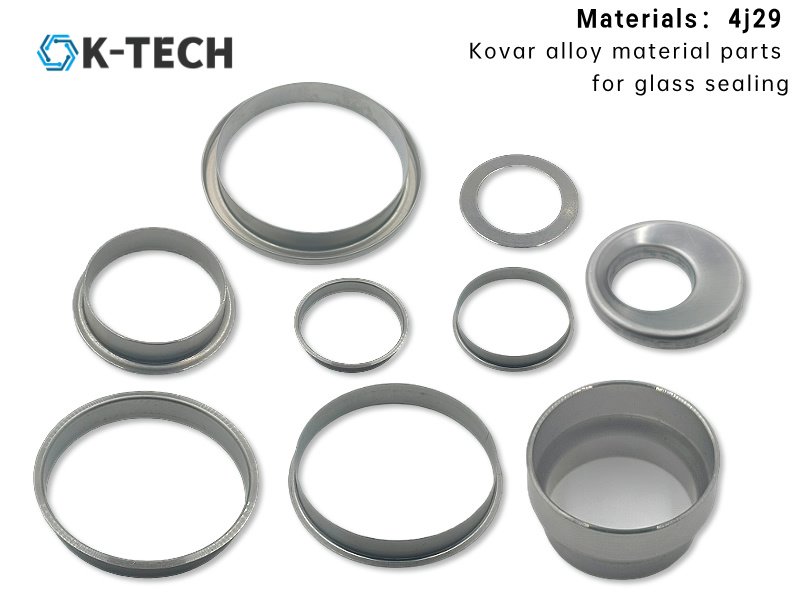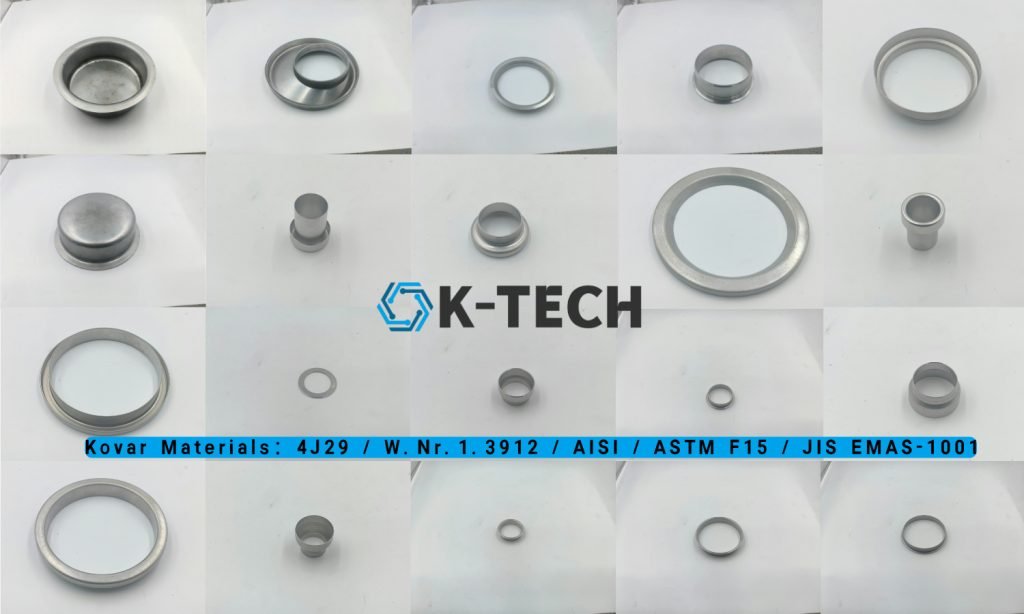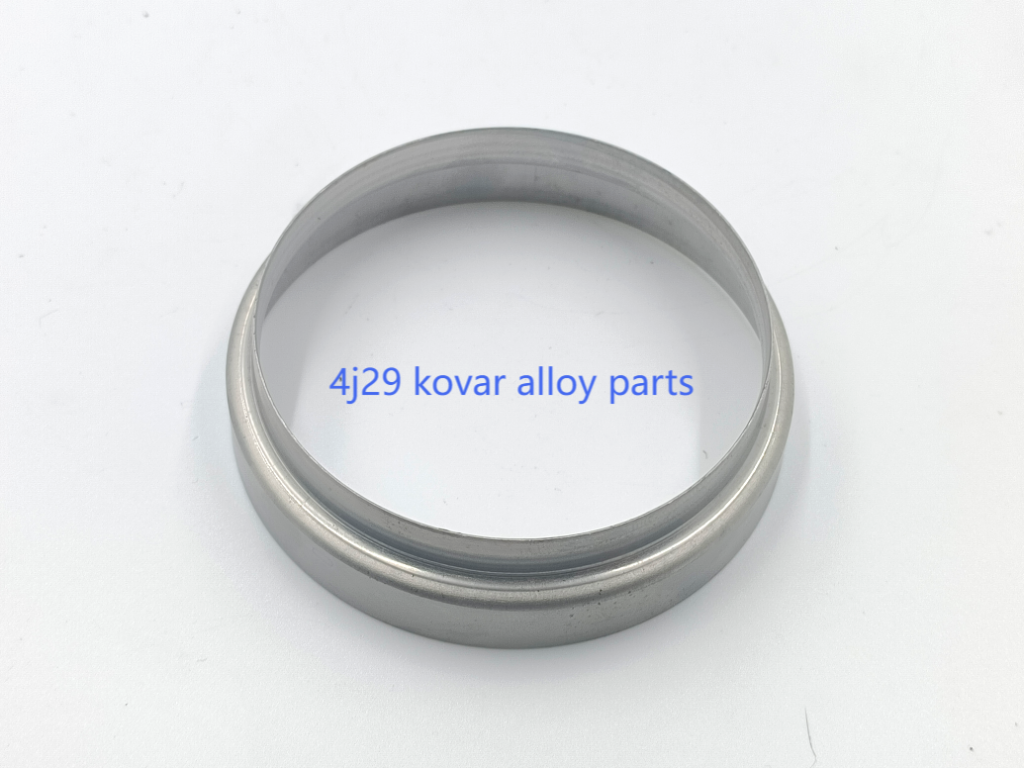
Kovar, a specialized Fe-Ni-Co alloy renowned for its matched coefficient of thermal expansion (CTE) with glass, has become the material of choice for critical applications in electronics packaging, aerospace, and high-precision instruments. However, beneath its exceptional thermal compatibility lies a complex set of machining challenges that demand meticulous engineering solutions. This article delves into the intricacies of working with Kovar, exploring the hurdles faced during processing and strategies to overcome them.
Material Properties: The Root of Complexity
Kovar’s unique composition endows it with properties that pose significant machining difficulties. With a hardness ranging from 200-250HB and a pronounced work – hardening tendency, cutting forces during machining can be up to 30% higher than those encountered with carbon steel. This rapid work – hardening accelerates tool wear, particularly when using conventional carbide tools. The alloy’s low thermal conductivity, approximately one – third that of carbon steel (16 W/(m·K)), exacerbates the issue by trapping heat at the cutting interface. As a result, tool tips experience intense thermal stress, leading to premature wear and even catastrophic failure.
Moreover, the high ductility and toughness imparted by nickel content cause severe chip adhesion. During cutting operations, chips readily weld onto the tool’s rake face, forming built – up edges that degrade surface finish quality and dimensional accuracy. This adhesive behavior also increases cutting forces, potentially inducing vibrations that compromise machining precision.
Machining Operations: Specific Hurdles
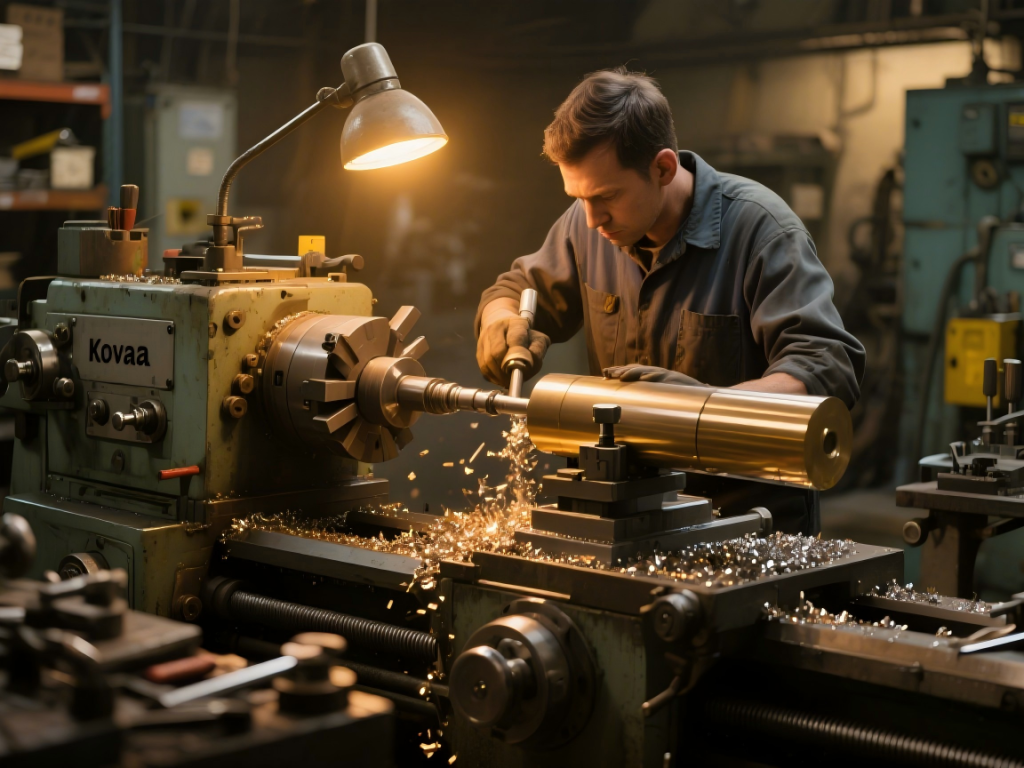
1. Cutting Processes
In turning, milling, and drilling, Kovar’s resistance to machining is evident. Drilling deep holes becomes especially problematic due to poor chip evacuation and the high likelihood of drill bit breakage. Milling operations require precise control of cutting parameters; high – speed machining is often counterproductive as it generates excessive heat. Recommended cutting speeds typically range from 50 – 80 m/min for turning and 40 – 60 m/min for milling, with low feed rates to mitigate tool wear. Advanced tool materials, such as cubic boron nitride (CBN) and ceramic inserts, offer superior wear resistance compared to traditional carbide tools.
2. Welding Challenges
Welding Kovar presents its own set of difficulties. The alloy’s reactivity with oxygen and nitrogen in the atmosphere forms brittle oxide layers, which can lead to porosity and cracking in weld joints. When joining Kovar with dissimilar metals like copper or aluminum, the mismatch in CTE creates substantial thermal stresses during cooling, increasing the risk of joint failure. To overcome these issues, inert gas – shielded welding techniques, such as TIG welding, or vacuum electron beam welding are preferred to minimize oxidation. Pre – heating the material to 150 – 200°C before welding and post – weld annealing at 650 – 700°C are essential steps to relieve internal stresses.
3. Surface Finishing and Precision Machining
Surface finishing operations, including grinding and polishing, are equally challenging. During grinding, Kovar’s tenacious chips quickly clog grinding wheels, necessitating the use of coarse – grit wheels (60# – 80#) and copious amounts of coolant. Electrochemical polishing and electroplating require thorough removal of the native oxide layer; otherwise, coating adhesion will be severely compromised. Acidic etching with a mixture of hydrofluoric and nitric acids is commonly employed to activate the surface prior to finishing processes.
Overcoming Machining Hurdles: Best Practices
To address Kovar’s machining complexities, a combination of process optimization and specialized equipment is crucial. High – rigidity machine tools are indispensable for maintaining stability during high – force operations. For heat – sensitive processes, such as heat treatment, vacuum or controlled – atmosphere furnaces must be used to prevent oxidation and ensure consistent material properties.
In terms of process parameters, a “low – speed, high – feed” strategy often proves effective in reducing heat generation during cutting. Advanced coolant technologies, such as high – pressure coolant delivery systems and extreme – pressure cutting fluids containing sulfur or chlorine additives, can significantly improve chip evacuation and reduce friction.
Machining Kovar demands a deep understanding of its material behavior and a tailored approach to each manufacturing process. While its unique thermal properties make it invaluable for high – tech applications, the associated machining challenges require careful consideration of tool selection, process parameters, and equipment capabilities. By implementing best practices and leveraging advanced machining technologies, manufacturers can unlock the potential of Kovar while maintaining high – quality production standards.