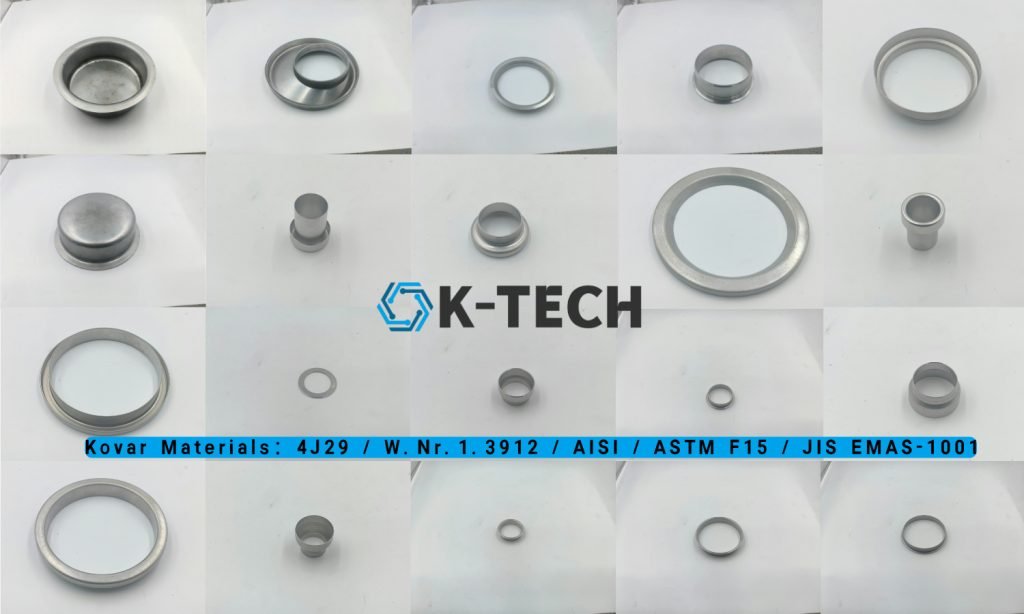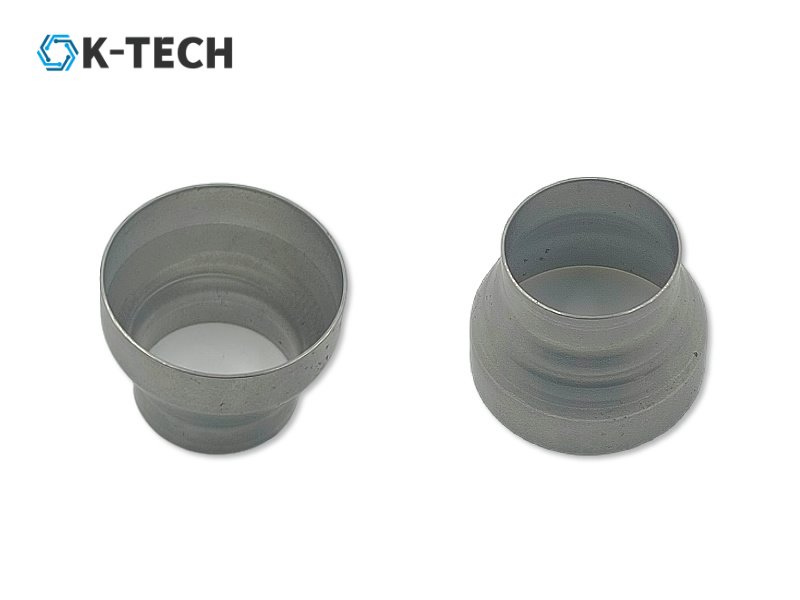
Kovar (a nickel-iron-cobalt alloy, typically 29% Ni, 17% Co, balance Fe) is widely used in electronics, aerospace, and optoelectronics due to its low thermal expansion coefficient matching glass and ceramics. However, its machining presents significant technical challenges, primarily stemming from its unique mechanical and physical properties. Below are the key difficulties:
1. High Cutting Resistance and Tool Wear
Kovar exhibits high tensile strength (≈550–700 MPa) and hardness (≈150–200 HB in annealed state, increasing with cold work). This creates intense cutting forces during machining, leading to rapid tool wear. Additionally, the alloy’s high toughness (elongation ≈30–40%) increases friction between the tool and workpiece, exacerbating abrasion.
Cobalt in Kovar further accelerates tool degradation: it can diffuse into the cobalt binder phase of cemented carbide tools at high temperatures, weakening the tool’s structure and causing premature failure. Even high-speed steel (HSS) tools wear quickly, requiring frequent replacement.
2. Severe Work Hardening
Kovar has a strong tendency to work harden during machining. The plastic deformation of the material’s surface layer under cutting forces increases its hardness (by 50–100% in some cases). This hardened layer makes subsequent passes more difficult, as the tool must cut through already strengthened material, leading to higher cutting forces, increased tool stress, and potential surface damage (e.g., micro-cracks).
3. Poor Thermal Conductivity
Kovar has low thermal conductivity (≈16 W/(m·K), much lower than steel’s ≈50 W/(m·K)). This means heat generated during cutting (from friction and plastic deformation) is not easily dissipated, accumulating in the cutting zone. High temperatures (often exceeding 600°C) can soften tool materials, reduce their hardness, and accelerate wear. Additionally, localized heat may cause thermal distortion of the workpiece, especially for thin-walled or precision components, affecting dimensional accuracy.
4. Difficulty in Chip Control
Kovar’s high ductility and toughness result in continuous, stringy chips during machining (e.g., turning or milling). These chips entangle around the tool, workpiece, or spindle, increasing friction, damaging the machined surface, and even posing safety risks. Achieving broken chips requires precise control of cutting parameters (e.g., high cutting speed, low feed rate) or specialized tool geometries (e.g., sharp rake angles, chip breakers), which adds complexity to the process.
5. Surface Integrity Challenges
The combination of high cutting forces, work hardening, and thermal effects can lead to poor surface quality, such as micro-cracks, residual stresses, or excessive roughness. For applications requiring hermetic sealing (e.g., glass-to-metal seals) or fatigue resistance, these defects are critical—residual stresses, for example, can cause post-machining deformation or reduce the alloy’s service life. Controlling surface integrity often demands tight process parameters (e.g., low cutting speeds, high coolant flow) or post-processing (e.g., stress-relief annealing), increasing production costs.
Mitigation Strategies
To address these challenges, manufacturers typically use:
- High-performance tool materials: Carbides with TiN/TiAlN coatings (for wear resistance), ceramics, or cubic boron nitride (CBN) for high-speed machining.
- Optimized cutting parameters: Low feed rates, moderate cutting speeds, and high coolant pressure to reduce heat and flush chips.
- Specialized tool geometries: Sharp edges, positive rake angles, and effective chip breakers to minimize work hardening and improve chip control.